

UPIT ODMAH
 Search for...
Irrigation Micro Sprinkler Suppliers
Serija mikro raspršivača uglavnom se koristi za fino navodnjavanje, posebno pogodna za scene kao što su staklenici, cvijeće, voćnjaci i rasadnici koji zahtijevaju nježno prskanje vodom. Ova serija mlaznica osigurava ravnomjernu distribuciju vode pažljivom kontrolom sićušnih protoka vode, izbjegavajući pretjerani utjecaj kapljica vode na biljke, dok učinkovito štedi vodne resurse. Ove glave s mikro raspršivačima imaju izvrstan dizajn protiv začepljenja, prilagođavaju se različitim uvjetima vode i pružaju fleksibilno podešavanje kuta i raspona prskanja vode kako bi se područje prskanja prilagodilo specifičnim potrebama. Lako se postavlja i održava, a posebno je pogodan za male površine ili guste usjeve koji zahtijevaju precizno navodnjavanje, osiguravajući zdrav rast usjeva i poboljšavajući učinkovitost navodnjavanja.
SERIJA MIKRO RASPRISIVAČA
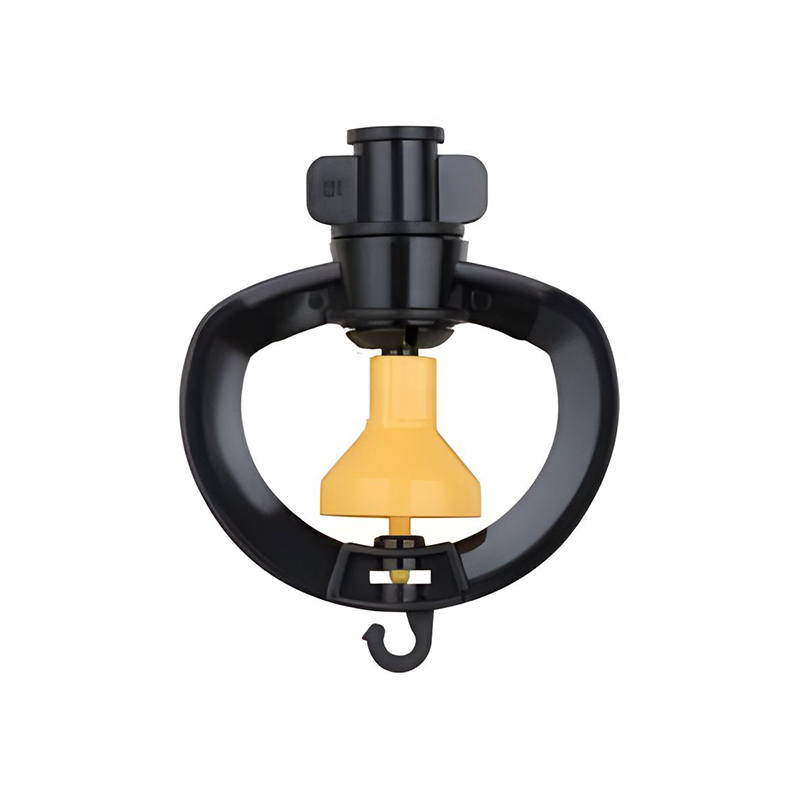

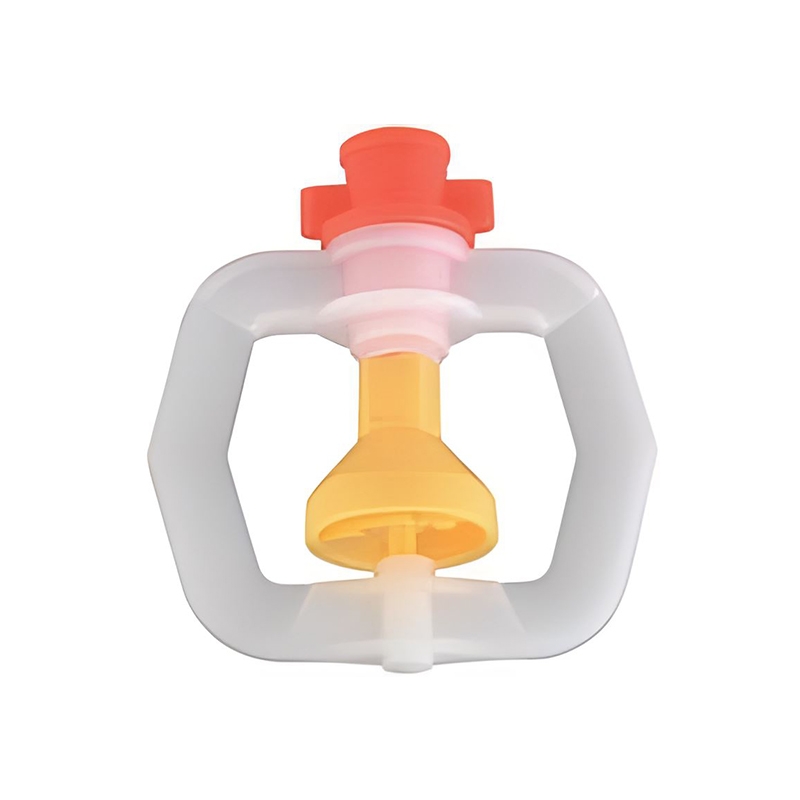
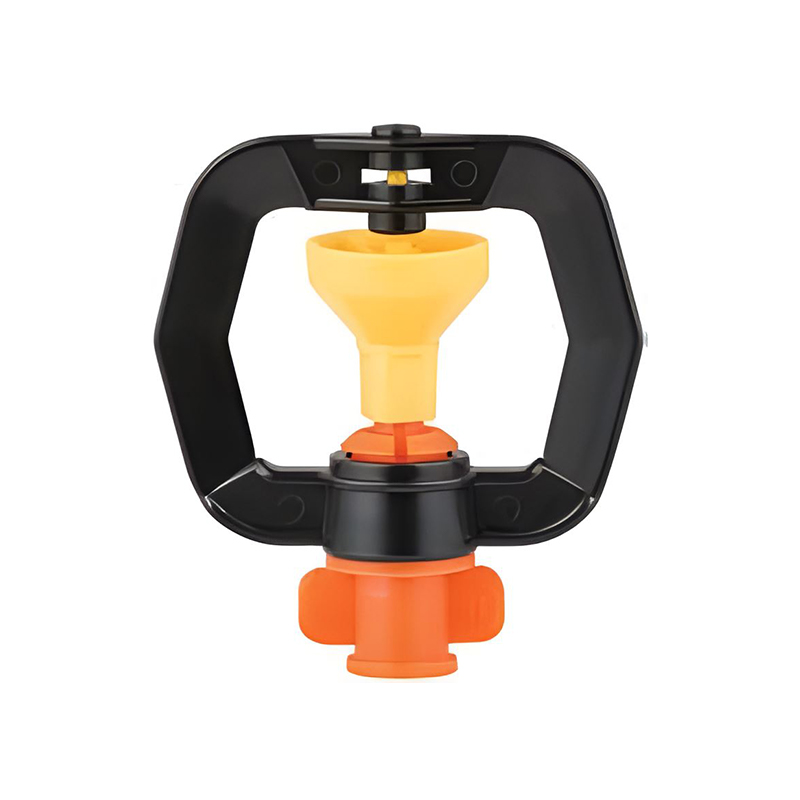
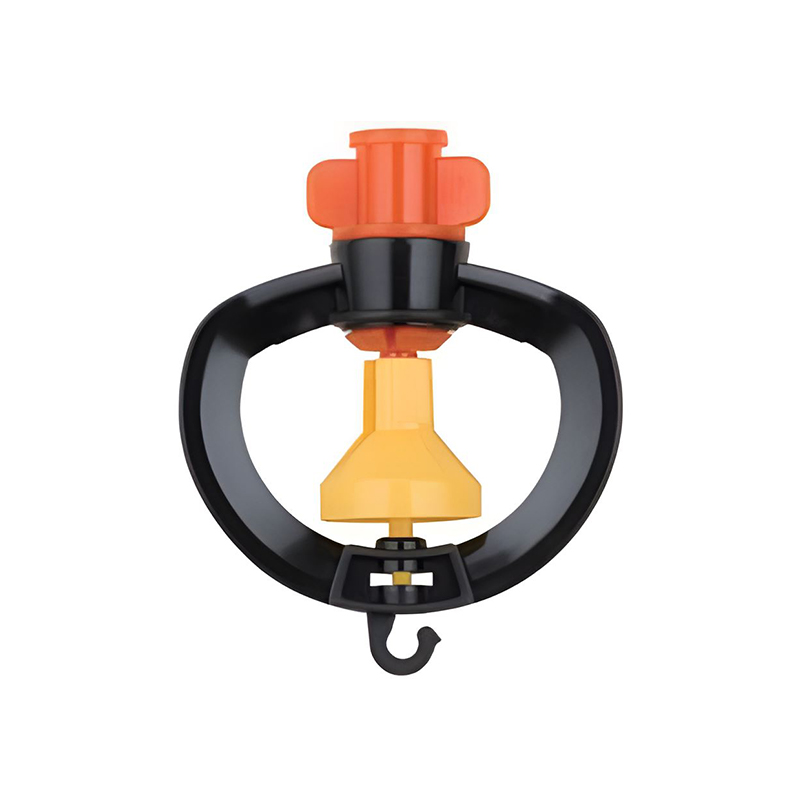
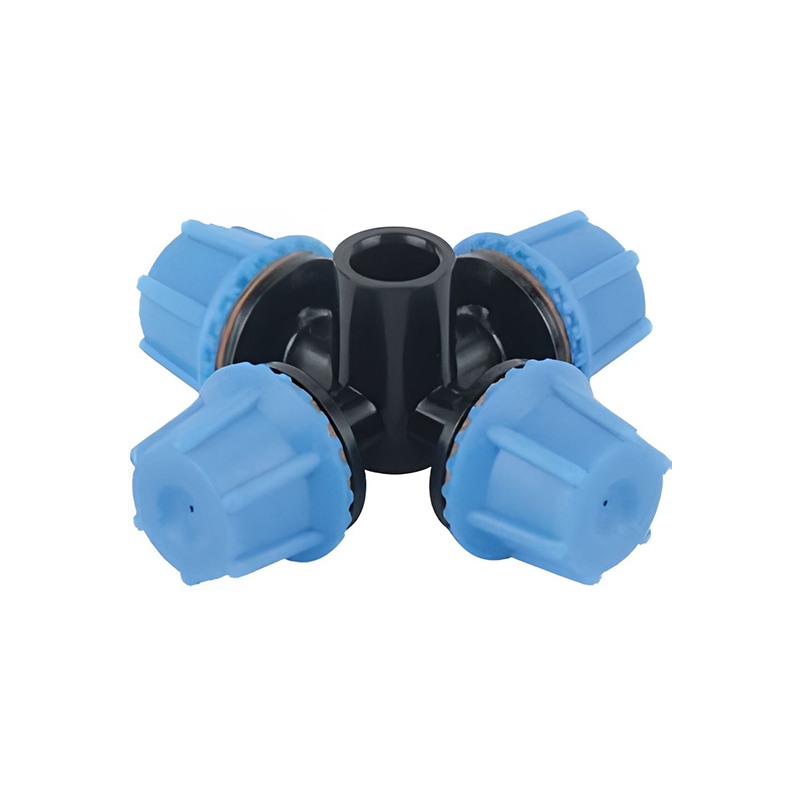
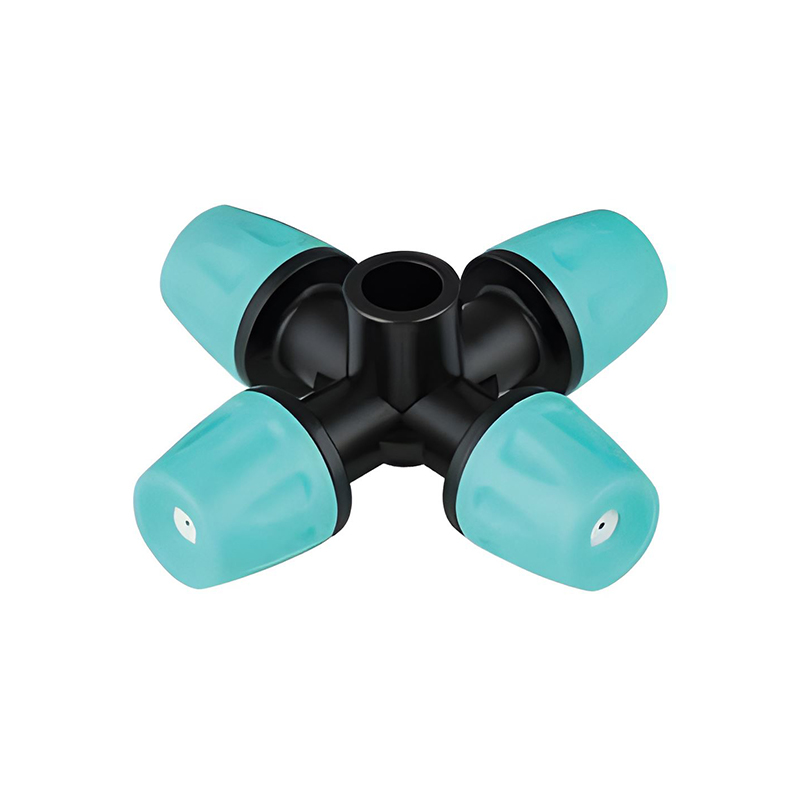
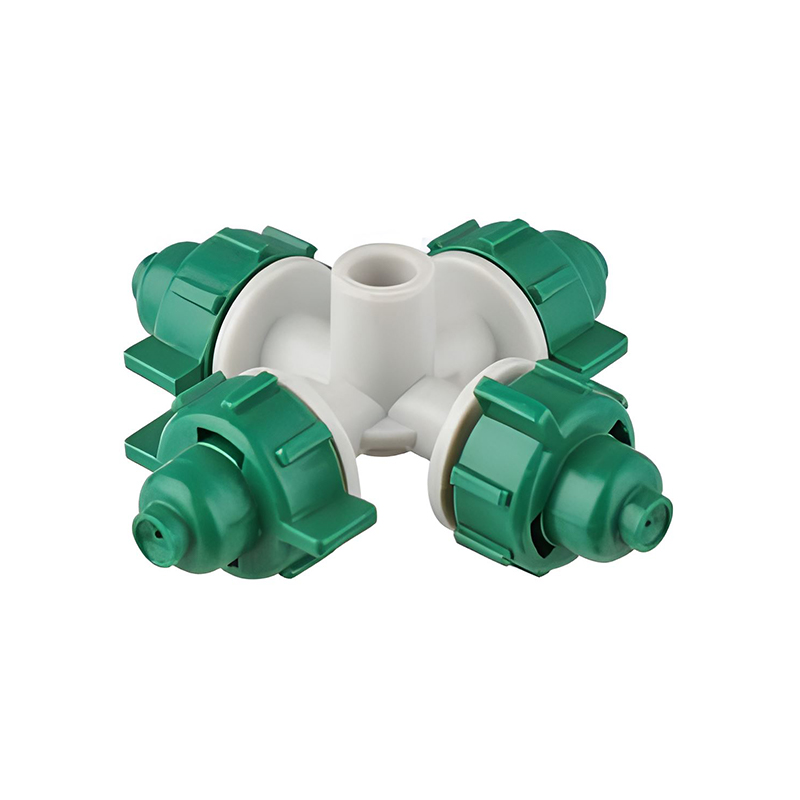
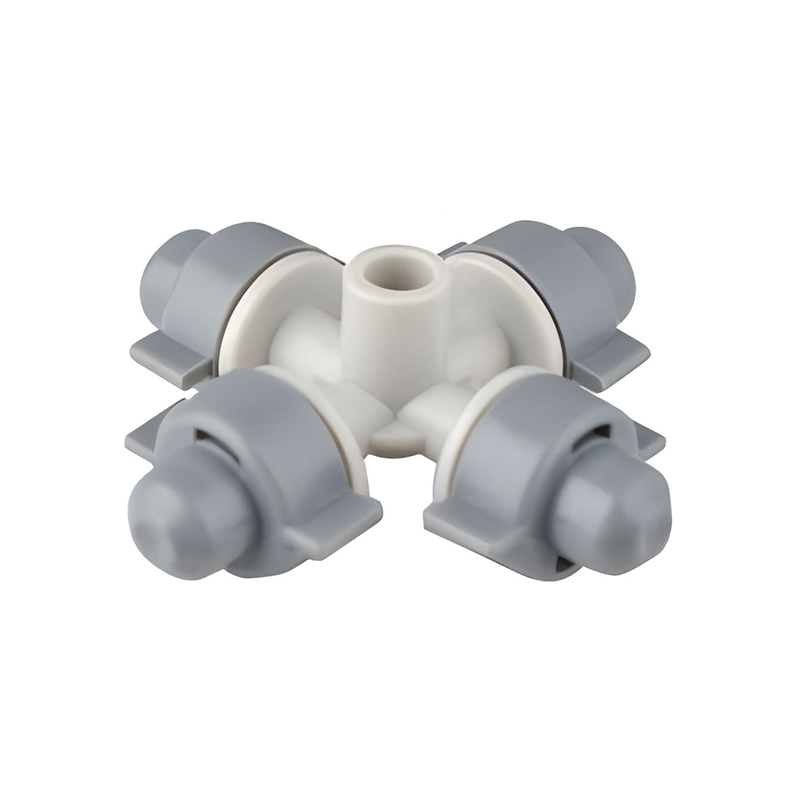
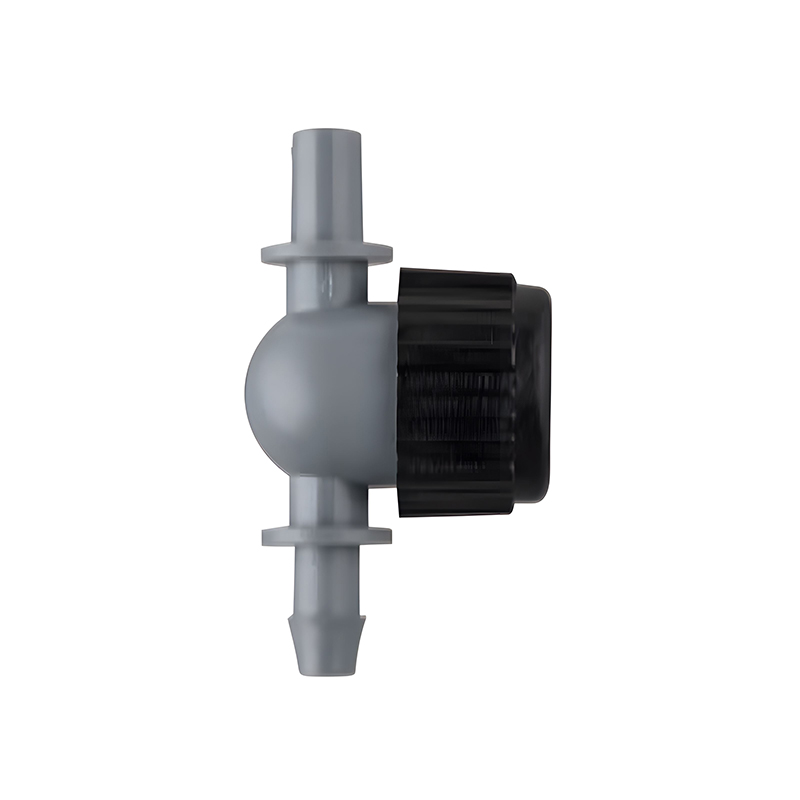
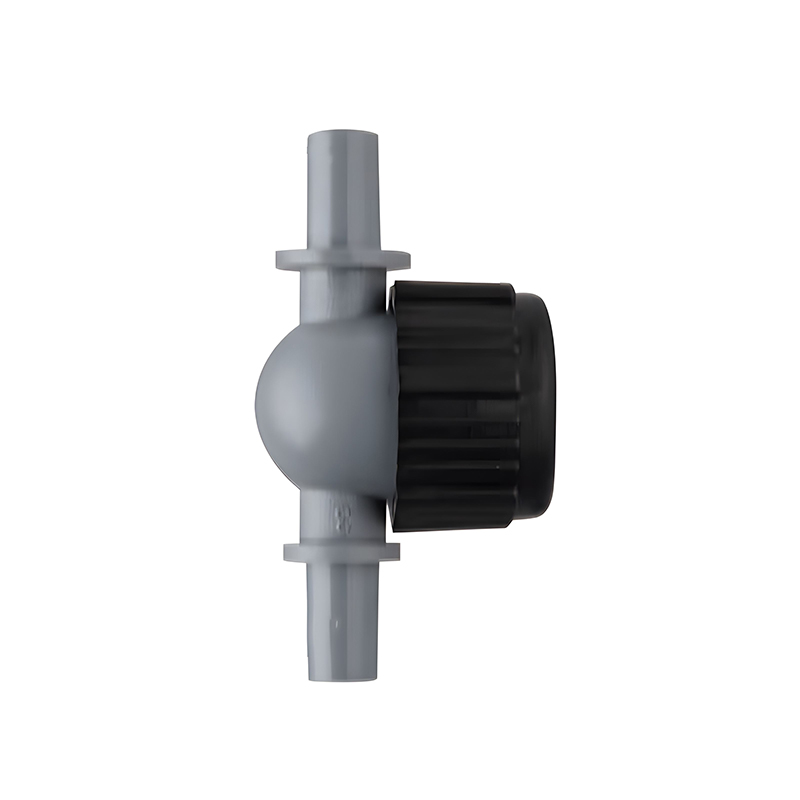
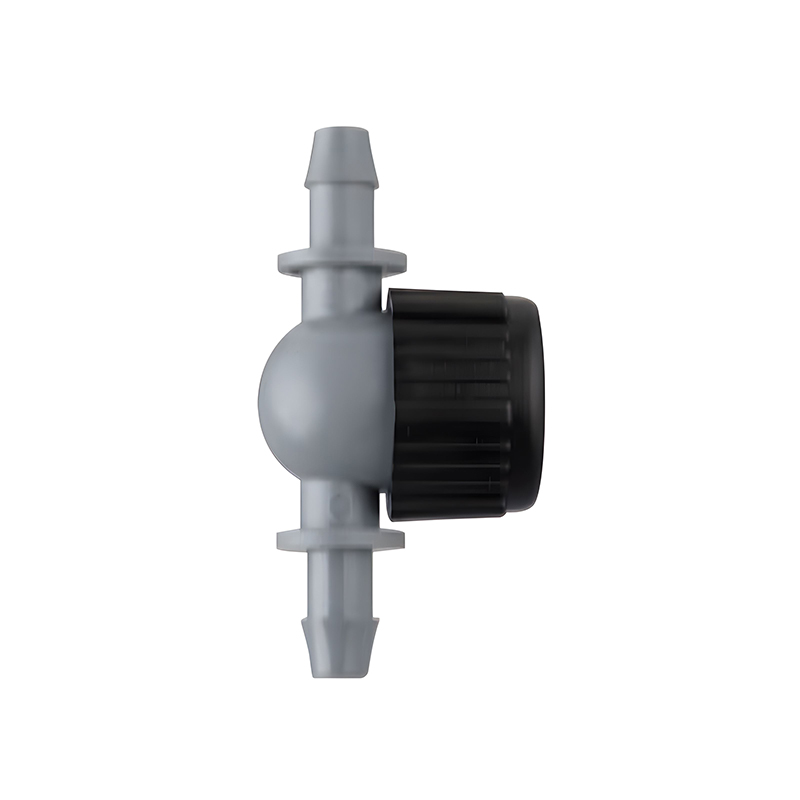
DC-M78C
Upotreba:
Široko se koristi za staklenike, sadnice riže, rasadnike itd. Značajke:
1. Rotirajući s okvirom, dizajn protiv curenja
2. Precizan dizajn sustava vodi do izvrsne ravnomjernosti prskanja
3. Jednostavna instalacija
| Pritisak | 2,0~3,0 bara |
| Radijus | 3,5 ~ 4,5 m |
| Flux | 100~200L/h |
| Mlaznica Sise | 2mm、1.8mm、 |
| Veličina konektora | Ø6.0mm,Ø7.5mm |
Kontaktirajte nas
DC-M78D
Upotreba:
Široko se koristi za staklenike, sadnice riže, rasadnike itd. Značajke:
1. Rotirajući s okvirom, dizajn protiv curenja
2. Precizan dizajn sustava vodi do izvrsne ravnomjernosti prskanja
3. Jednostavna instalacija
| Pritisak | 2,0~3,0 bara |
| Radijus | 3,5 ~ 4,5 m |
| Flux | 100~200L/h |
| Mlaznica Sise | 2mm、1.8mm、 |
| Veličina konektora | Ø6.0mm,Ø7.5mm |
Kontaktirajte nas
DC-M78E
Upotreba:
Široko se koristi za staklenike, sadnice riže, rasadnike itd. Značajke:
1. Rotirajući s okvirom, dizajn protiv curenja
2. Precizan dizajn sustava vodi do izvrsne ravnomjernosti prskanja
3. Jednostavna instalacija
| Pritisak | 2,0~3,0 bara |
| Radijus | 3,5 ~ 4,5 m |
| Flux | 100~200L/h |
| Mlaznica Sise | 2mm、1.8mm、 |
| Veličina konektora | Ø6.0mm,Ø7.5mm |
Kontaktirajte nas
DC-M78F
Upotreba:
Široko se koristi za staklenike, sadnice riže, rasadnike itd. Značajke:
1. Rotirajući s okvirom, dizajn protiv curenja
2. Precizan dizajn sustava vodi do izvrsne ravnomjernosti prskanja
3. Jednostavna instalacija
| Pritisak | 2,0~3,0 bara |
| Radijus | 3,5 ~ 4,5 m |
| Flux | 100~200L/h |
| Mlaznica Sise | 2mm、1.8mm、 |
| Veličina konektora | Ø6.0mm,Ø7.5mm |
Kontaktirajte nas
DC-M17
●Može se postaviti naopako ili u zemlju, širok raspon primjena
●Dobar učinak atomizacije, fina vodena magla, malo slijepo područje.
| Pritisak | 2,0~3,0 bara |
| Radijus prskanja | 0,7 m |
| Flux | 35L/H |
Kontaktirajte nas
DC-M17-1
●Može se postaviti naopako ili u zemlju, širok raspon primjena
●Dobar učinak atomizacije, fina vodena magla, malo slijepo područje.
| Pritisak | 2,0~3,0 bara |
| Radijus prskanja | 0,7 m |
| Flux | 35L/H |
Kontaktirajte nas
DC-M17-2
●Može se postaviti naopako ili u zemlju, širok raspon primjena
●Dobar učinak atomizacije, fina vodena magla, malo slijepo područje.
| Pritisak | 1,5-3 bara |
| Radijus prskanja | 0,9-1m |
| Flux | 12-15L/H |
Kontaktirajte nas
DC-M17-3
●Može se postaviti naopako ili u zemlju, širok raspon primjena
●Dobar učinak atomizacije, fina vodena magla, malo slijepo područje.
| Pritisak | 1,5-3 bara |
| Radijus prskanja | 0,9-1m |
| Flux | 12-15L/H |
Kontaktirajte nas
DW-KF01
Upotreba:
1. Protiv curenja
2. Jednostavna kontrola fluksa i čišćenje komponenti
Kontaktirajte nas
DW-KF02
Upotreba:
1. Protiv curenja
2. Jednostavna kontrola fluksa i čišćenje komponenti
Kontaktirajte nas
DW-KF03
Upotreba:
1. Protiv curenja
2. Jednostavna kontrola fluksa i čišćenje komponenti
Kontaktirajte nas
DW-KF04
Upotreba:
1. Protiv curenja
2. Jednostavna kontrola fluksa i čišćenje komponenti
Kontaktirajte nas
O nama
Ningbo Dewo Irrigation Equipment Co., Ltd.
Ningbo Dewo Irrigation Equipment Co., Ltd. is China Irrigation Micro Sprinkler Suppliers and Irrigation Micro Sprinkler Company, in Yuyao City, Ningbo, Zhejiang Province. It is adjacent to the two major ports of Ningbo and Shanghai and has very convenient transportation.
S 20 godina profesionalnog iskustva u proizvodnji, to je službeni proizvođač koji integrira dizajn proizvoda, istraživanje i razvoj, proizvodnju i prodaju. Specijalizirana je za proizvodnju i prodaju raznih proizvoda za navodnjavanje koji štede vodu.
Dewo Irrigation pokriva površinu od 15.000 kvadratnih metara. Ima kompletnu opremu kao što je proizvodnja kalupa za injekcijsko ubrizgavanje, montaža i testiranje kako bi se osigurala kvaliteta i vrijeme isporuke narudžbi kupaca.
Kontinuirano i učinkovito upravljati sustavom upravljanja kvalitetom ISO9001, osiguravajući potrebne uvjete za zadovoljenje potreba kupaca.
Naša tvrtka je oduvijek uzimala "uštedu vode" kao koncept i "integritet na prvom mjestu, kvaliteta na prvom mjestu" kao koncept. Radujemo se iskrenoj suradnji, dugoročnoj suradnji i obostrano pobjedničkom razvoju s prijateljima iz svih sfera života u zemlji i inozemstvu.
Vrlina je posvuda, a plodna polja tisućama milja daleko! Na temelju vrline, zajedno ćemo raditi za plodna polja!
Vijesti
-
Projektiranje sprinkler sustava praktičan je posao, a ne igra pogađanja. Pravi dizajn počinje s tr...
READ MORE -
Navodnjavanje kapanjem Kako: Donja linija naprijed Sustav navodnjavanja kap po kap funkcionira kad...
READ MORE -
Kratak odgovor: Kako instalirati sustav za navodnjavanje kap po kap Metoda ugradnje jezgre ista je...
READ MORE -
Većina sustava za navodnjavanje kap po kap trebala bi raditi 1 do 4 sata po ciklusu navodnjavanja ...
READ MORE -
Postavljanje sustava za navodnjavanje kap po kap za vaš vrt je jednostavan projekt. Ne trebate profesion...
READ MORE
Srodni proizvodi
-
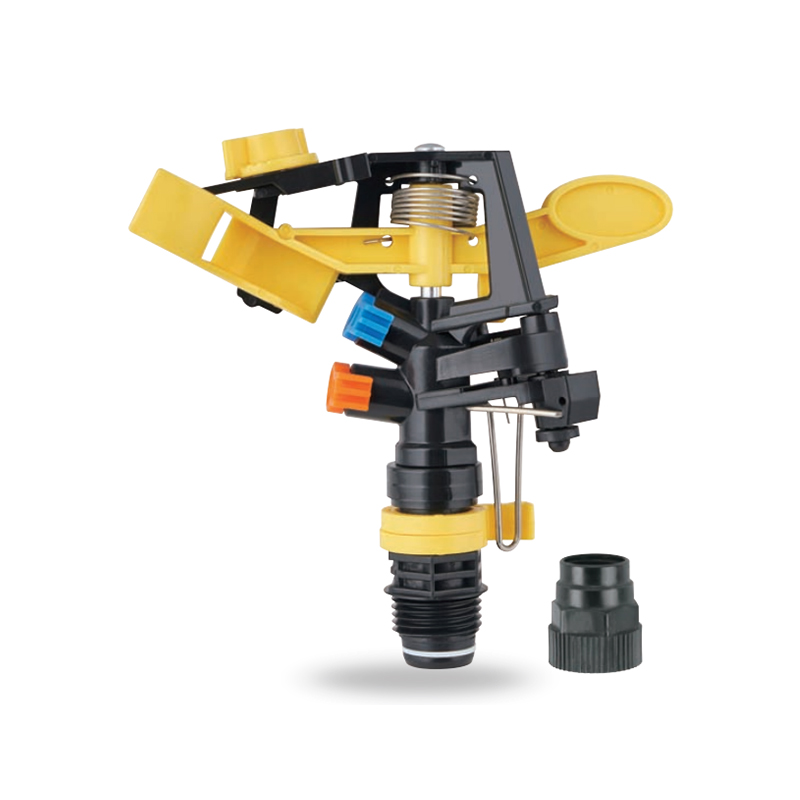
Udarna prskalica za navodnjavanje u poljoprivredi uobičajeni je i učinkovit alat za navodnjavanje u poljoprivredi dizajniran za velike površine poljoprivrednog zemljišta. Njegova jedinstvena strukt...
See Details -
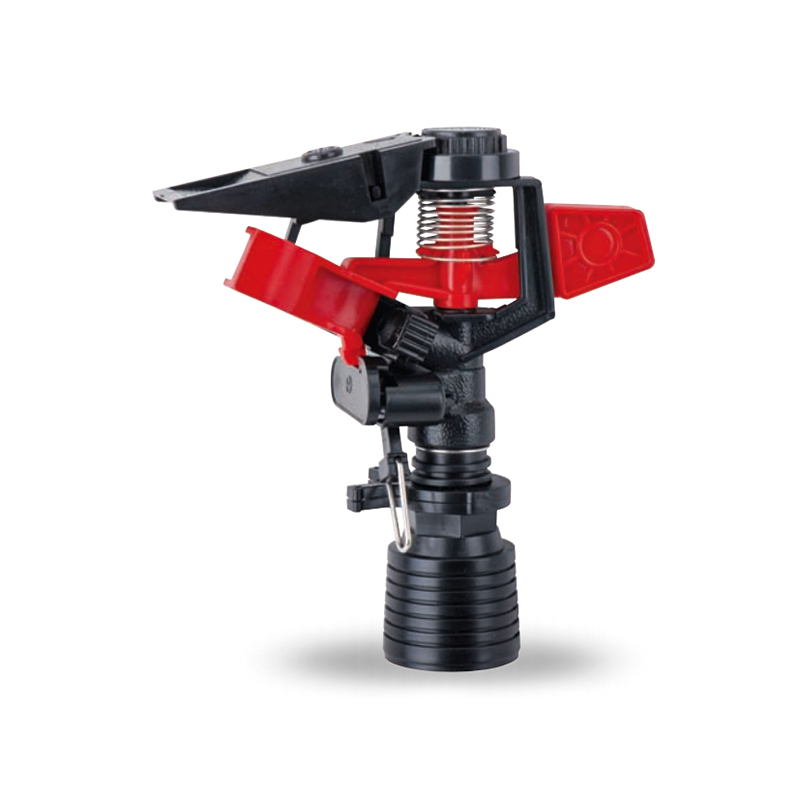
Ova udarna prskalica s mlaznicom s klackalicom podesivom za 360 stupnjeva bitan je dio sustava za navodnjavanje dizajniranog za zadovoljavanje širokog raspona hortikulturnih i poljoprivrednih potre...
See Details -
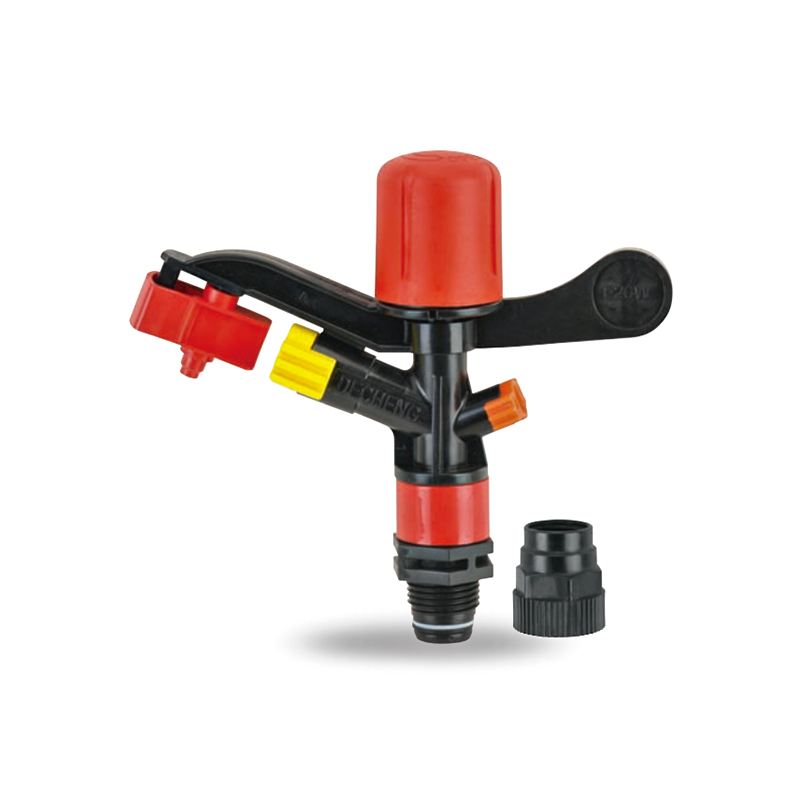
Plastična udarna prskalica s punim krugom vrlo je učinkovit uređaj za navodnjavanje s punim krugom dizajniran za ravnomjernu pokrivenost vlagom. Njegov lagani plastični materijal čini ovu prskalicu...
See Details -
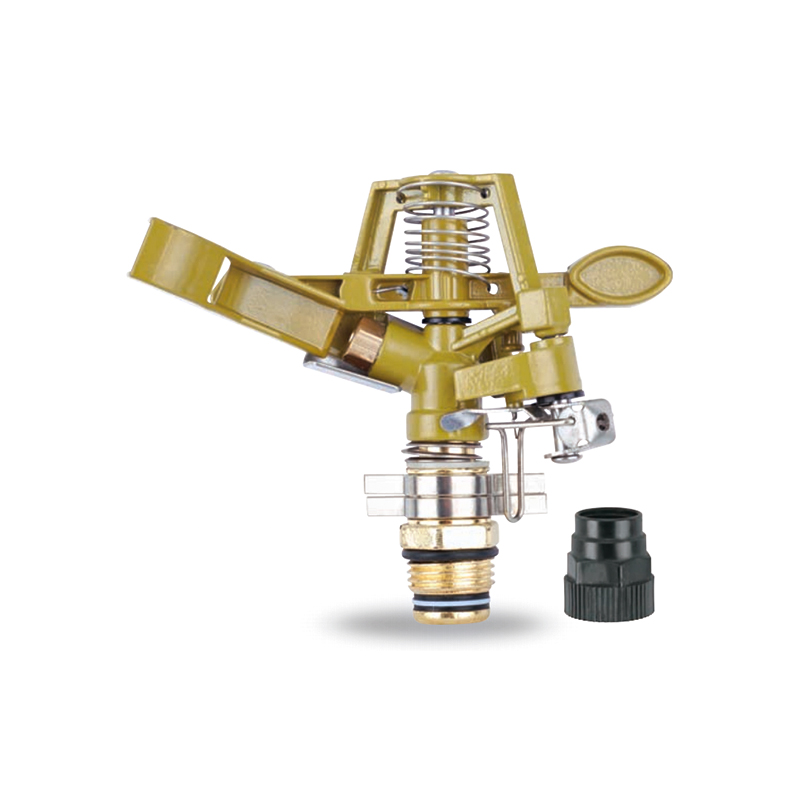
Mobilna rotirajuća cinkova raspršivača sustava za navodnjavanje s podesivom glavom učinkovita je rotirajuća prskalica dizajnirana za fleksibilne potrebe navodnjavanja. Njegova podesiva glava omoguć...
See Details -
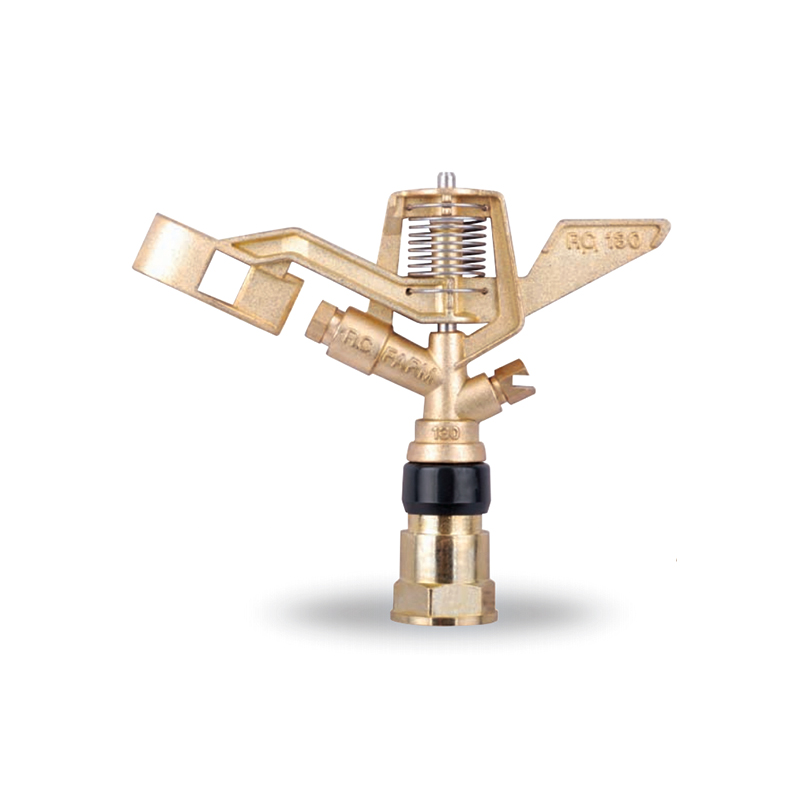
Ova udarna prskalica za sustav za navodnjavanje sa zakretnom rukom od legure cinka od 3/4" idealna je za sustave za navodnjavanje u poljoprivredi zbog svoje vrhunske izdržljivosti i otpornosti na k...
See Details -
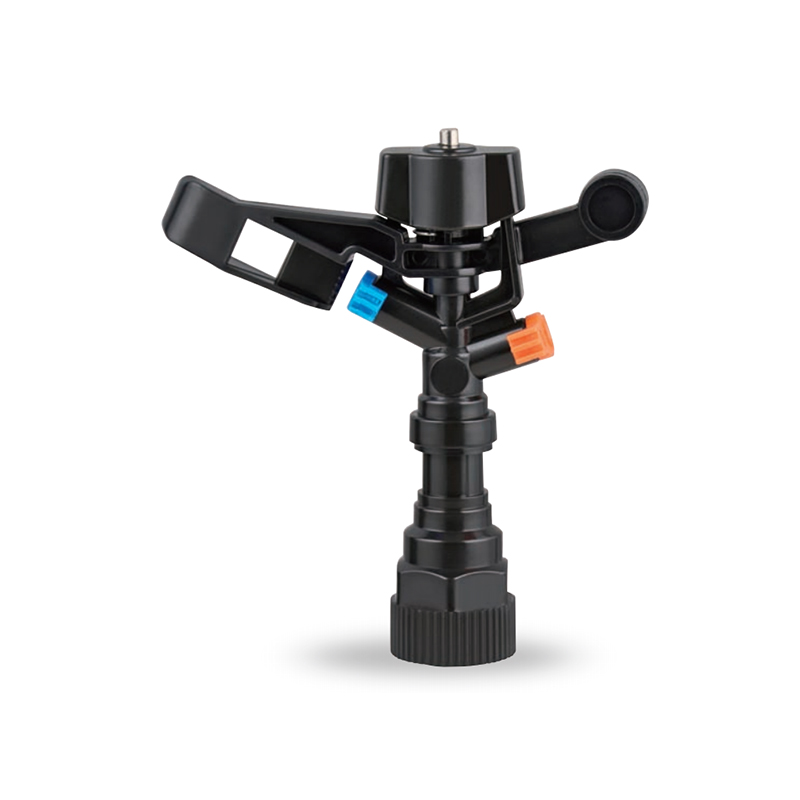
Udarna raspršivač punog kruga vrtne farme s dvostrukom mlaznicom dobro je dizajnirana za učinkovito i ravnomjerno prskanje vode, čime se poboljšava kvaliteta rasta usjeva. Bilo da se radi o kućnom ...
See Details
Poruka povratne informacije
SERIJA MIKRO RASPRISIVAČA Industry knowledge
How Does an Irrigation Micro Sprinkler Improve Water Efficiency in Farming?
As global water scarcity intensifies and sustainable farming practices become imperative, irrigation micro sprinkler has emerged as a transformative solution for modern agriculture. By delivering precise water distribution while minimizing waste, these systems are redefining how farmers optimize resources.
Precision Meets Sustainability
Micro sprinklers operate by emitting fine droplets of water directly to crop root zones, ensuring uniform coverage even on uneven terrain. Unlike traditional flood irrigation, which loses up to 50% of water to evaporation and runoff, micro sprinklers reduce waste by targeting specific areas. This method maintains optimal soil moisture levels, preventing both underwatering and waterlogging—a balance critical for crop health.
Our designs integrate adjustable flow rates and spray patterns to match diverse crop needs,this adaptability is key for farms cultivating anything from orchards to row crops.
Engineering for Resilience
A core advantage of micro sprinklers lies in their synergy with smart agriculture. Modern systems can be paired with soil moisture sensors and weather data analytics, enabling automated irrigation schedules that respond dynamically to environmental conditions. Ningbo Dewo’s R&D team has further enhanced these systems with corrosion-resistant materials and anti-clogging nozzles, ensuring durability in harsh field environments.
The company’s 20-year manufacturing legacy, rooted in Zhejiang Province’s industrial hub, underscores its technical prowess. Proximity to Ningbo and Shanghai ports also streamlines global distribution, allowing farmers worldwide to access cutting-edge irrigation tools without delays.
Tackling Traditional Challenges
Flood irrigation remains prevalent in many regions, but its inefficiencies are increasingly untenable. Overwatering not only depletes local water reserves but also leaches nutrients from soil, exacerbating fertilizer costs and environmental pollution. Micro sprinklers counteract these issues by applying water in controlled bursts, reducing nutrient runoff by up to 30% and curbing soil erosion.
For drought-prone areas, the technology is transformative. A case study in Northwest China demonstrated that farms using Ningbo Dewo’s micro sprinklers reduced water consumption by 40% while increasing tomato yields by 15%—a testament to the system’s dual economic and ecological value.
As climate variability pressures agricultural output, adopting water-efficient technologies is no longer optional but essential. Ningbo Dewo’s commitment to innovation—evident in its ISO-certified production lines and ongoing collaborations with agronomists—positions micro sprinklers as a cornerstone of sustainable farming.
With convenient logistics from China’s eastern coast and a proven track record, Ningbo Dewo continues to lead the charge in irrigation efficiency. As global agriculture pivots toward resilience, micro sprinklers stand out as a scalable, cost-effective tool—one that harmonizes productivity with planetary stewardship.

PROIZVODI I USLUGE

KONTAKTIRAJTE NAS
 No.518, Ruihao Road, Lizhou Street, Yuyao City, Zhejiang Province, Kina
 +86-13105554615 / +86-18005843886
 decheng@dcssq.com fredzhu@dcssq.com
 LISA
LISA
 Fred Zhu
Autorska prava © Ningbo Dewo Irrigation Equipment Co., Ltd. Sva prava pridržana. China Irrigation Micro Sprinkler Suppliers Irrigation Micro Sprinkler Company
